Two Ways to Lower Your Debt-to-Income (DTI) Ratio
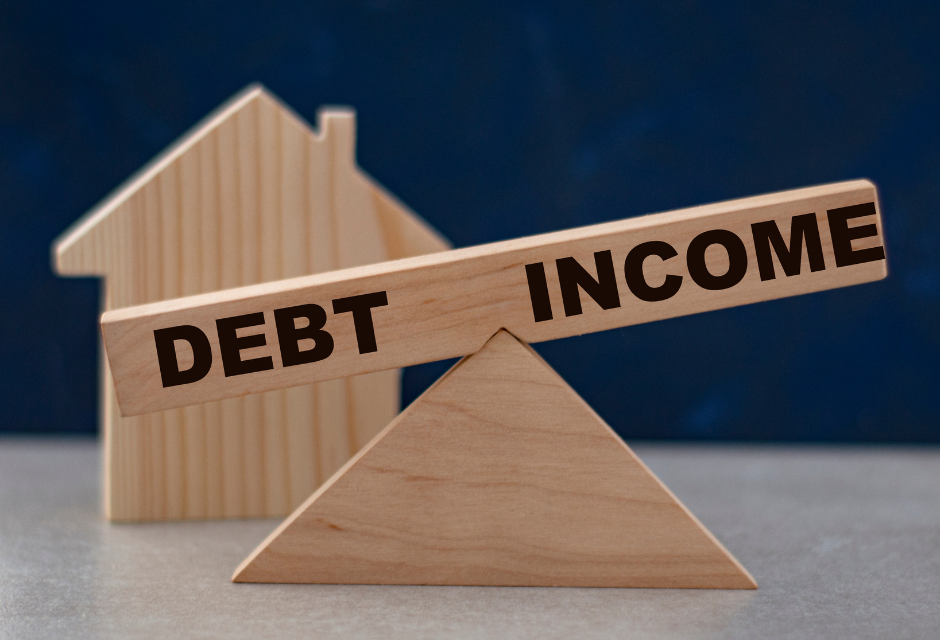
Your Debt-to-Income (DTI) ratio is one of the most important factors when applying for a mortgage. It shows how much of your monthly gross income is being used to pay debts.
How to Calculate Your DTI
To calculate your DTI, lenders add up all your recurring monthly debt payments, including:
Student loans
Personal loans
Auto loans
Minimum credit card payments
Estimated new mortgage payment
Then, this total is divided by your monthly income before taxes.
👉 Example:
If you earn $6,000 per month and have $2,400 in monthly debts, the calculation would be:
2,400 ÷ 6,000 = 0.40
Multiply by 100 → DTI = 40%
Why Your DTI Matters
A lower DTI ratio signals to lenders that you have room in your budget to take on additional housing expenses.
Most lenders prefer a DTI of 43% or lower
Some prefer an even stricter threshold of 36% or less
💡 In addition, a lower DTI can help you qualify for better interest rates, since you are seen as a lower-risk borrower.
Two Ways to Lower Your DTI
1. Pay Down Your Debt
The most effective way to reduce your DTI is to lower your total monthly debt obligations.
Focus first on high-interest debt, such as credit cards
As balances decrease, your minimum monthly payments also go down
This directly reduces your DTI ratio
If possible:
Pay off smaller personal loans
Eliminate auto loans with manageable balances
👉 Removing a monthly payment has an immediate impact on your DTI
2. Increase Your Income
The second strategy is to increase your monthly earnings, which improves the ratio from the other side.
Options include:
Requesting a salary increase
Taking on a second job
Starting freelance work or a side gig
⚠️ Important:
Lenders typically require stable and verifiable income, often for up to 12 months, before counting it toward mortgage qualification.
What About Adding a Co-Borrower?
Adding a spouse or partner as a co-borrower can help because it:
✔️ Increases total household income considered in the application
However, there are important considerations:
Their debts and credit history are also included
If they have high debt or low credit, it may negatively impact approval
Final Thoughts
Improving your DTI is not just about mortgage approval — it reflects overall financial health.
👉 Lower debt + higher income = stronger financial profile and better lending terms
If you are preparing to buy a home, focusing on your DTI is one of the smartest first steps you can take.
Based on insights from: Luis F. Nogueira (ER Lucky Associates)
*The above is for informational purposes only. It is not intended to be financial, legal, or tax advice. Consult the appropriate professionals for advice regarding your individual needs.
"Real estate is my specialty, but home is about more than transactions — it’s about the foundation of your future."