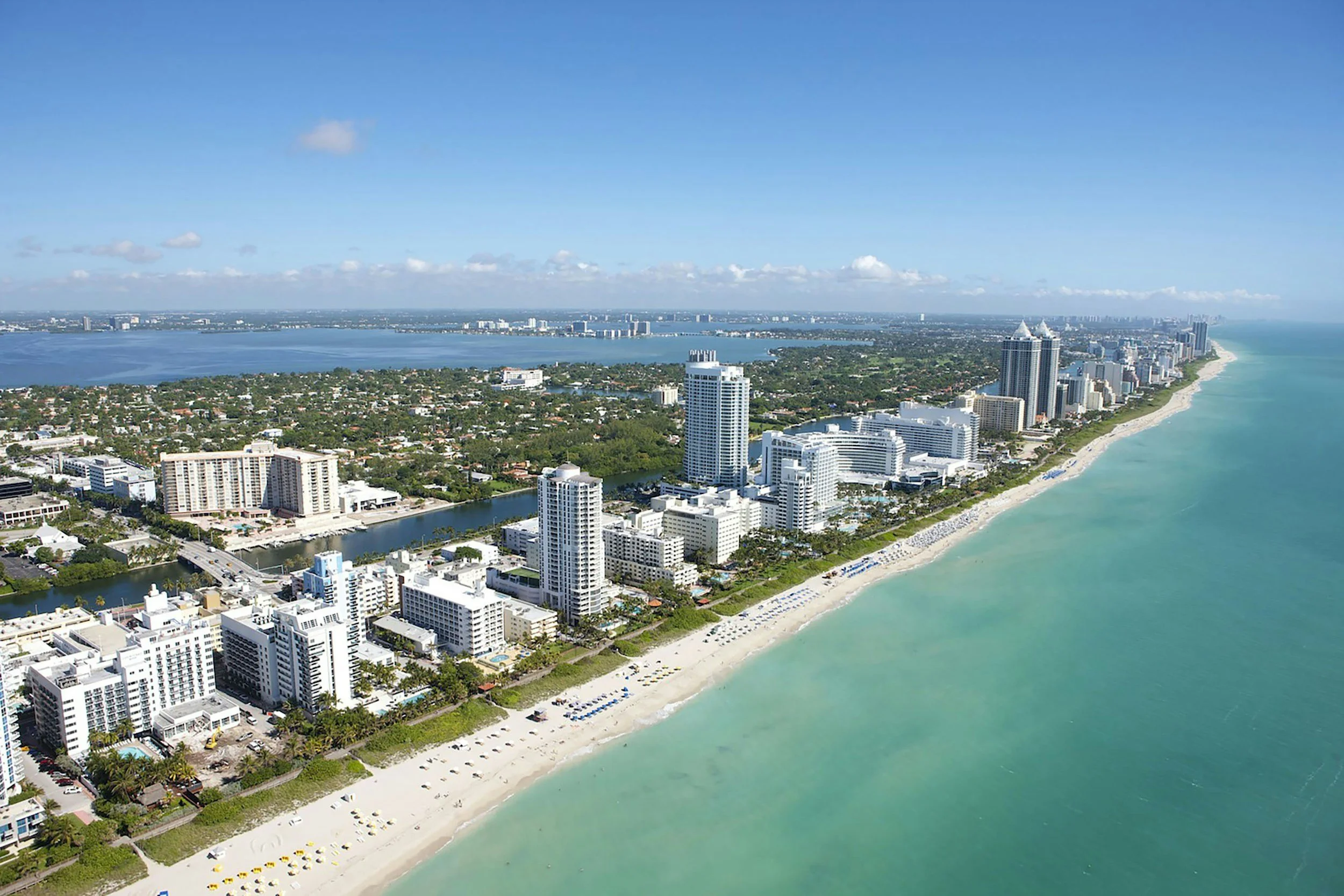
Florida Amendment 3:
What Changes for Homeowners and Real Estate Investors in 2027?
Understanding how Florida's new property tax rules could affect homeownership, second homes, and real estate investments.
Florida voters have approved a significant change to the state's property tax system. With approximately 62% of the vote, Amendment 3 passed on November 3, 2026, and is scheduled to take effect on January 1, 2027.
The amendment expands property tax exemptions for primary residences and introduces a lower annual assessment increase cap for investment properties, second homes, and commercial real estate.
But what do these changes really mean for current property owners and those considering buying real estate in Florida?
Higher Homestead Exemptions for Primary Residences
One of the most significant changes involves the Homestead Exemption, a property tax benefit available to eligible homeowners who use their property as their primary residence.
Under Amendment 3, the exemption for non-school property taxes increases to:
2027: $150,000
2028: $250,000
Beginning in 2029: Annual inflation adjustments.
These amounts represent the portion of a property's assessed value that may be exempt from certain property taxes.
Importantly, a $250,000 exemption does not mean homeowners will save $250,000 in taxes. Instead, it reduces the assessed value subject to applicable taxes, with actual savings depending on the property's assessment and local tax rates.
Investment Properties and Second Homes May Also Benefit
Amendment 3 extends beyond primary residences.
Another important change is the reduction of the annual assessment increase cap for non-homestead properties from 10% to 5%.
This applies to properties such as:
Rental and investment properties
Vacation homes and second residences
Commercial real estate
For real estate investors, this change is particularly relevant.
A lower annual assessment increase cap may provide greater predictability when planning long-term property ownership expenses.
However, it is important to understand that the 5% limit applies to annual increases in assessed property value, not directly to the total property tax bill. Actual taxes may still change depending on local tax rates and other factors.
New Florida Residents Will Face Different Rules
Amendment 3 also establishes different eligibility rules for individuals who become Florida residents after December 31, 2026.
Qualifying new residents may initially receive the existing Homestead Exemption.
However, access to the expanded exemption generally begins in the fifth year of Homestead Exemption eligibility, subject to applicable constitutional requirements.
This distinction is important for buyers planning to relocate to Florida, especially those evaluating the long-term financial benefits of establishing their primary residence in the state.
What Remains Unchanged?
Despite these changes, several existing property tax protections remain in place.
School-related property tax exemptions are not expanded under Amendment 3.
Existing protections such as Save Our Homes and Homestead Portability also remain in effect, continuing to provide eligible homeowners with important assessment limitations and potential tax benefits when moving between primary residences.
Amendment 3 also introduces provisions governing how local governments use property tax revenue, including funding for public safety, education, infrastructure, and other authorized expenses.
Additional legislative and administrative procedures may be necessary to fully implement certain provisions.
What Could Amendment 3 Mean for the Miami Real Estate Market?
For the Miami real estate market and other areas of Florida, Amendment 3 introduces changes that homeowners, buyers, and investors should consider when evaluating property ownership costs.
Potential tax savings and lower assessment growth limits may improve long-term financial predictability for some property owners.
However, property taxes are only one part of the total cost of owning real estate in Florida.
This is especially important in Miami's condominium market, where expenses such as HOA fees, property insurance, maintenance, and potential special assessments can significantly influence overall ownership costs.
A property offering tax advantages is not necessarily a better investment if other expenses outweigh those benefits.
Understanding the complete financial picture remains essential.
What Should Florida Buyers and Investors Consider?
Amendment 3 may create additional financial advantages for certain property owners, but its impact will vary depending on the property, its intended use, the owner's residency status, and the property's assessed value.
Whether purchasing a primary residence, a vacation condo, or an investment property, understanding these differences is an important part of making an informed real estate decision.
With more than 20 years of experience in real estate and expertise in the Florida market, I believe successful real estate decisions begin with understanding not only the purchase price, but also the long-term costs and opportunities associated with ownership.
Thinking About Buying, Selling, or Investing in Florida?
Disclaimer: This article provides general information about Florida Amendment 3 as approved in November 2026. Individual tax benefits depend on eligibility, property characteristics, and applicable implementation rules. Consult your local Property Appraiser or a qualified tax professional for advice regarding your specific situation.
Source: Florida Realtors®
*The above is for informational purposes only. It is not intended to be financial, legal, or tax advice. Consult the appropriate professionals for advice regarding your individual needs.

"Behind every good real estate decision, there is more than a property — there is timing, strategy, and the ability to see value with clarity."